15+ Projects built8+ Months of Unity3 Summer tech support terms
★ Welcome to my portfolio ★ Catch the coins ★ Try the Konami code ★ Press play ★ Unity, C# and too much soda ★ HFE ★ Not a bug, a feature (it was a bug) ★ Chasing a stale velocity bug right now ★ ★ Welcome to my portfolio ★ Catch the coins ★ Try the Konami code ★ Press play ★ Unity, C# and too much soda ★ HFE ★ Not a bug, a feature (it was a bug) ★ Chasing a stale velocity bug right now ★ ★ Welcome to my portfolio ★ Catch the coins ★ Try the Konami code ★ Press play ★ Unity, C# and too much soda ★ HFE ★ Not a bug, a feature (it was a bug) ★ Chasing a stale velocity bug right now ★ ★ Welcome to my portfolio ★ Catch the coins ★ Try the Konami code ★ Press play ★ Unity, C# and too much soda ★ HFE ★ Not a bug, a feature (it was a bug) ★ Chasing a stale velocity bug right now ★ ★ Welcome to my portfolio ★ Catch the coins ★ Try the Konami code ★ Press play ★ Unity, C# and too much soda ★ HFE ★ Not a bug, a feature (it was a bug) ★ Chasing a stale velocity bug right now ★ ★ Welcome to my portfolio ★ Catch the coins ★ Try the Konami code ★ Press play ★ Unity, C# and too much soda ★ HFE ★ Not a bug, a feature (it was a bug) ★ Chasing a stale velocity bug right now ★ ★ Welcome to my portfolio ★ Catch the coins ★ Try the Konami code ★ Press play ★ Unity, C# and too much soda ★ HFE ★ Not a bug, a feature (it was a bug) ★ Chasing a stale velocity bug right now ★ ★ Welcome to my portfolio ★ Catch the coins ★ Try the Konami code ★ Press play ★ Unity, C# and too much soda ★ HFE ★ Not a bug, a feature (it was a bug) ★ Chasing a stale velocity bug right now ★
Building games, solving real problems
I'm a second-year Computer Science student at Alexandria University's Faculty of Computers and Data Science, studying in the Intelligent Systems program. My main goal is game development: I enjoy building mechanics, player movement, and complete playable systems in Unity, and I'm actively working toward making games professionally. I also build practical web applications with .NET and SQL Server. During my software development internship, I worked on a SIM card management system and helped improve an existing business application, giving me hands-on experience with databases, permissions, security, and software built around real operational needs. Alongside game development and web development, I'm building my understanding of data analysis through university. I'm open to game-development opportunities, remote or part-time software work, and projects where I can keep learning while contributing to a real team.
Path
June 2026 – September 2026Full-Stack Development Intern, Fathalla International School for Applied Technology Learned SQL Server, database design, C#, WPF, and ASP.NET MVC before applying them to real internal software projects. Completed Phase 1 and built Phase 2 of a SIM card management system, implementing new modules and adapting the application to changing requirements. Reworked an existing business application with major logic and security issues, correcting core problems and improving its reliability for the team.
Summer 2020 · Summer 2021 · Summer 2022Technical Support, Fathalla Market Diagnosed and repaired employee PCs with hardware and software problems, including slow systems, boot failures, component issues, and routine maintenance. Prepared new workstations for departments by installing Windows and required software, moving data from old machines, and setting up complete workstations. Handled hardware replacements, PC cleaning, network cable termination, and coordination with the network team for firewall, antivirus, and access configuration.
B.Sc. in Computers and Data Science — Intelligent Systems Program, Alexandria University — Faculty of Computers and Data Science Second-year student · Expected graduation 2029
A few projects that show how I build games, solve business problems, and turn ideas into working software.
FeaturedUnity · Game Development
ShadowDrop
ShadowDrop is a finished Unity survival game built around movement, timing, and escalating difficulty. Players run, jump, and dash to survive falling blocks across three phases, with each phase increasing the fall speed and reducing the cooldown between hazards. I built the core movement and dash systems, game loop, falling-block system, destruction and cleanup, death conditions, input buffering, UI, options, and performance improvements. The main design challenge was making the game feel responsive while keeping the difficulty fair rather than frustrating or boring. The game is fully playable on itch.io and represents my first completed game built as a solo project.
UnityC#Unity Input System
Featured.NET · Full-Stack Platform
HFECloud
HFECloud is the home of the HFE community's portfolios and projects. Members build click-to-edit portfolios in four looks, publish projects of eight types, and order NFC business cards with a QR code. Admins review changes before they go live.
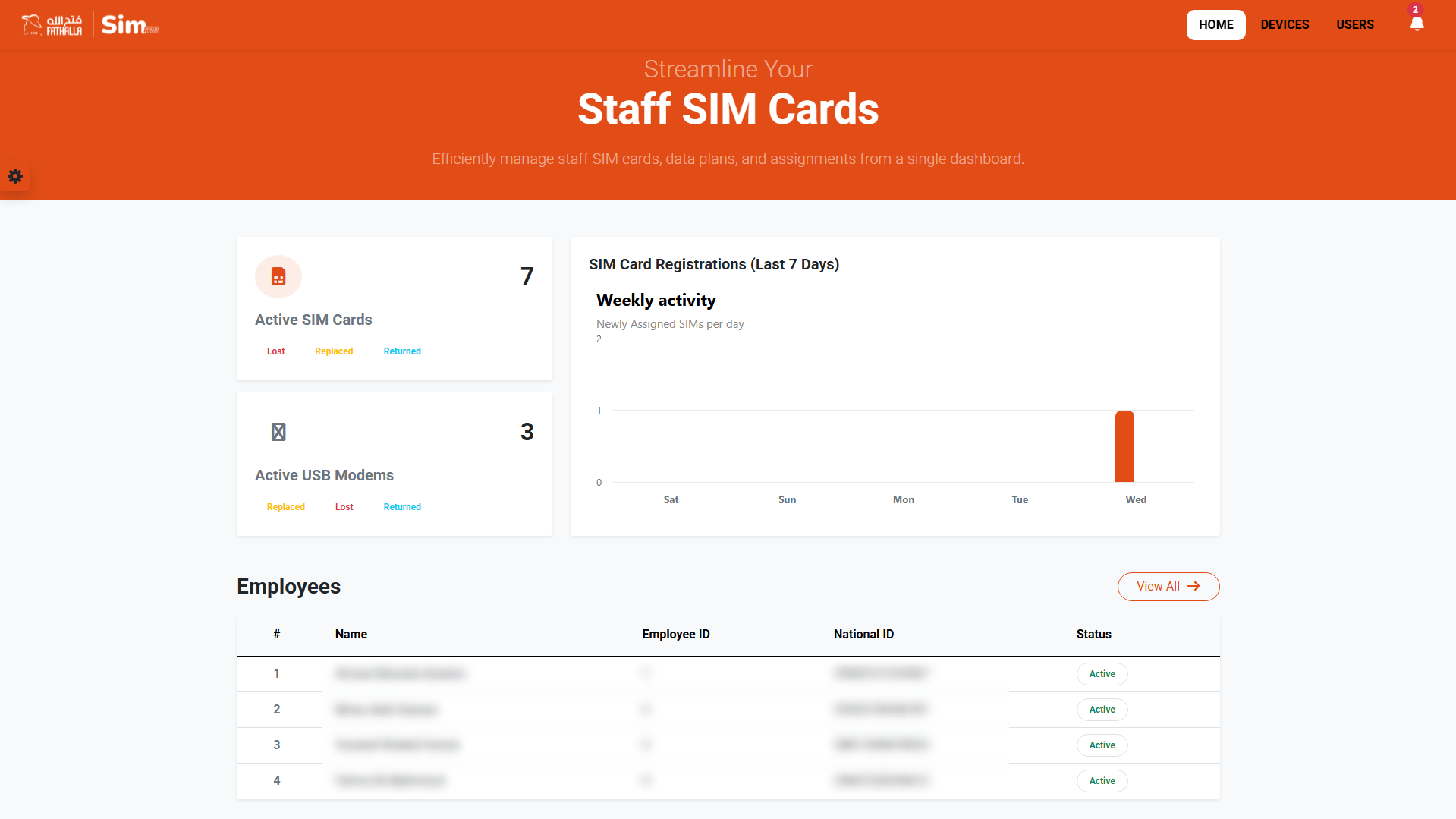
SIM Card Management System is an internal business application built to replace fragmented spreadsheet-based management with a centralized workflow. I worked on the application during my software development internship, completing Phase 1 and building Phase 2. The system includes user and permission management, SIM and USB records, subscriptions, service providers, OTP handling, branches, VPN connections, device status, quotas, reporting, and automated email notifications for internet-line renewals. I also worked through issues such as soft-deleted entities being excluded from searches and improved existing systems as requirements changed. The application is hosted locally for internal use because it handles private company data.